Packaging-line OEE and bottlenecks
Separate stop, speed and reject losses and identify the constraint limiting good packed output.
Read guideSearch the symptom you can see, the product you are running or the stage where the fault appears. Get a clear answer, practical checks and the most relevant route to a machinery solution.
Can't find your issue? Ask a production questionSelect the stage that needs attention. Each route brings together customer questions, first checks, likely causes and relevant machinery options.
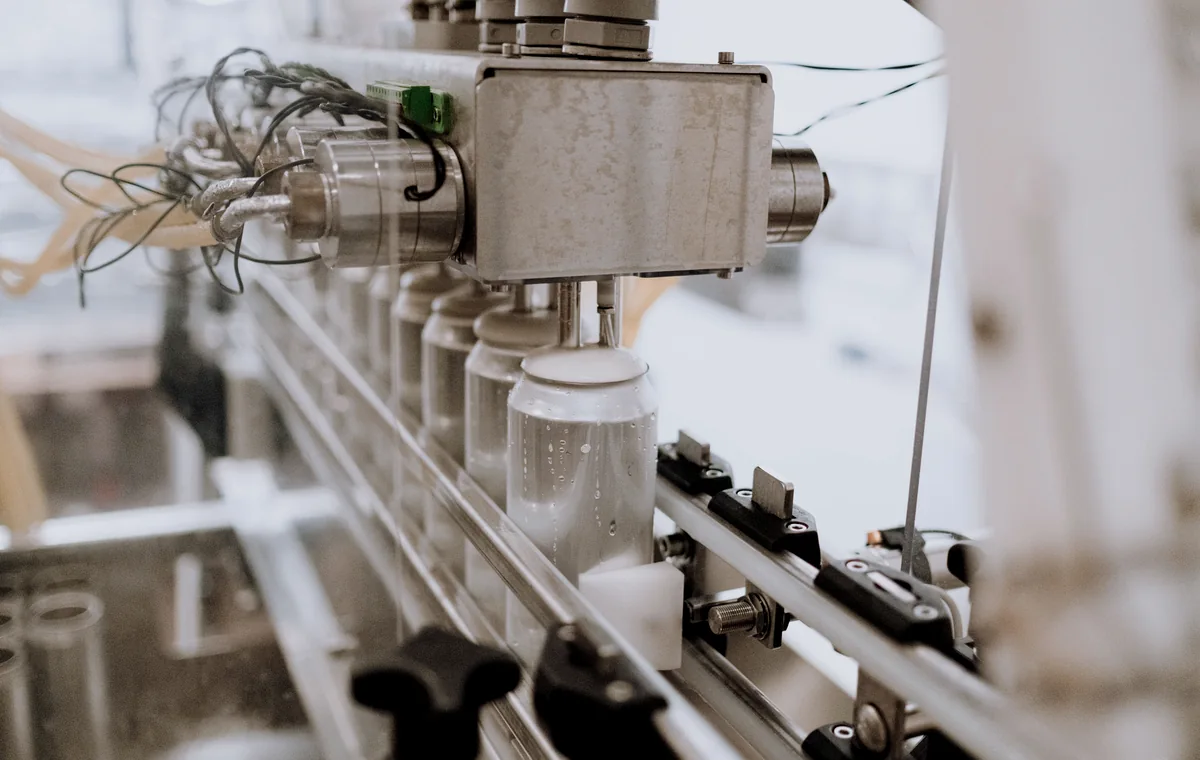
Choose and troubleshoot filling methods for liquids, pastes and measured doses.
View this stage
Improve powder flow, weighing accuracy, dust control and pack presentation.
View this stage
Resolve cap presentation, torque, cross-threading, leaks and closure feeding.
View this stage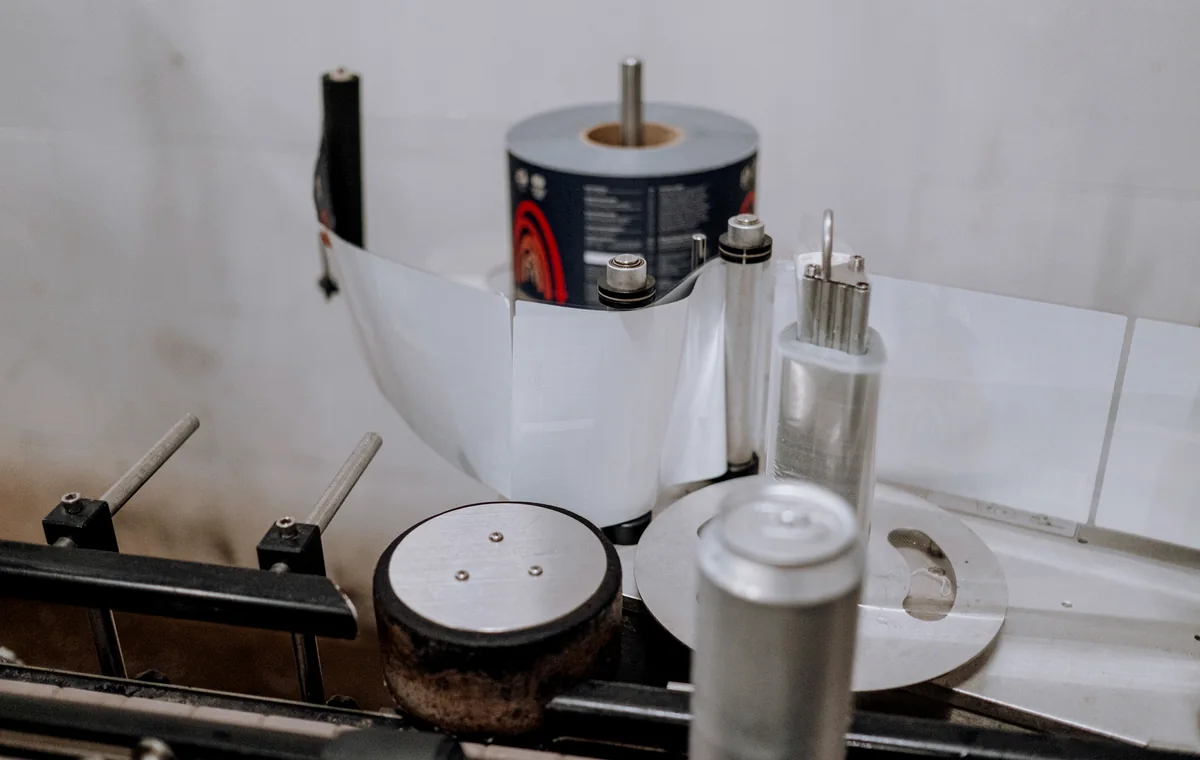
Control label position, wrinkles, adhesion and variable-data application.
View this stage
Improve batch, date, barcode and traceability data on production packs.
View this stage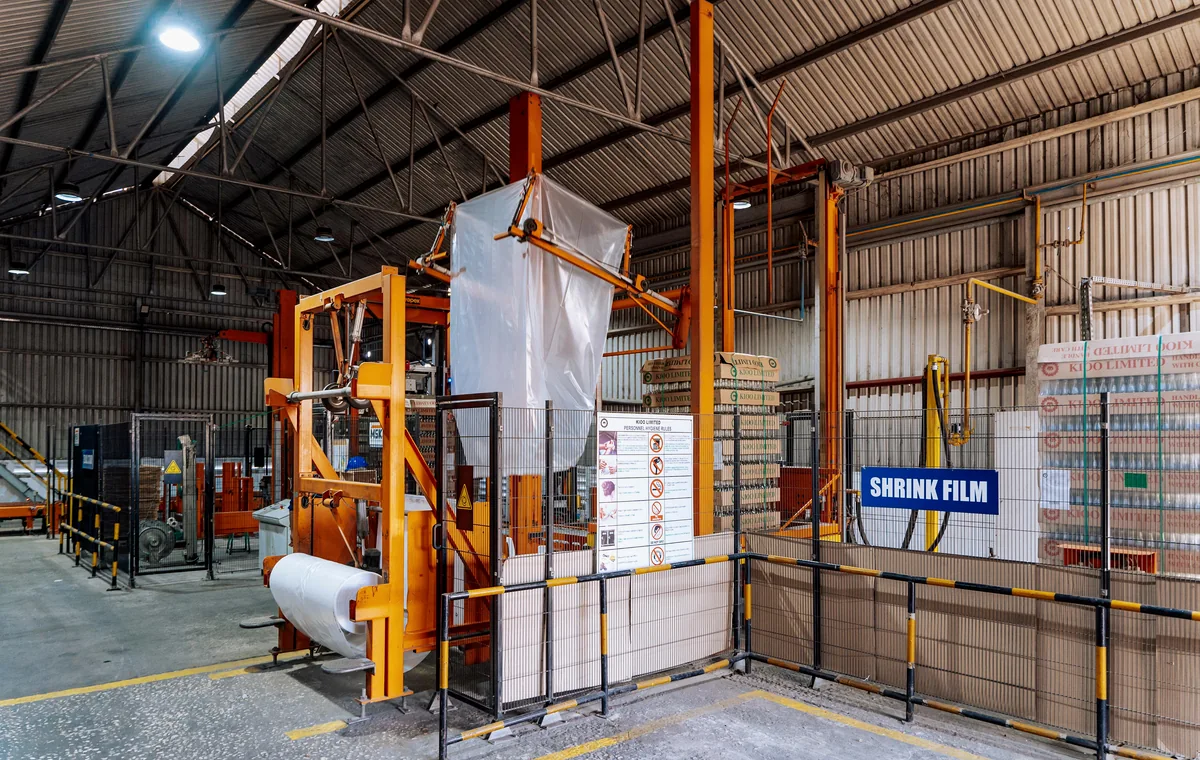
Solve induction, heat seal, sleeve and shrink-pack quality problems.
View this stage
Choose and troubleshoot flexible packaging, opening, dosing and sealing.
View this stage
Rinse, wash, orient and feed containers and small components consistently.
View this stage
Balance conveyors, accumulation, controls and complete production lines.
View this stage
Specify equipment, review used machinery and improve materials and maintenance.
View this stageYou do not need to know the machine name. Choose the fault you can see and work through the evidence in a controlled order.
Underfills, overfills and pack-to-pack quantity variation.
View answers 498 answersBottlenecks, labour constraints and low sustained good output.
View answers 104 answersProduct escaping, aerating or contaminating the pack and machine.
View answers 296 answersCaps, containers, components or product fail to present consistently.
View answers 80 answersClosure placement, thread engagement and sealing faults.
View answers 80 answersInconsistent tightening, seating height and closure orientation.
View answers 40 answersPack control, web tracking and wipe-down problems.
View answers 40 answersSurface contamination, material compatibility and application pressure.
View answersFind questions suited to the way your product behaves and the packaging it must enter, close, seal, label or move.
Thin liquids through to viscous, stringing and particulate products.
View answers 92 answersFree-flowing, cohesive, dusty, aerated and fragile dry products.
View answers 728 answersGlass, plastic, metal and shaped containers with multiple closures.
View answers 462 answersPremade and rollstock flexible packaging formats.
View answers 337 answersPrimary cartons, shipping cases and taped or glued packs.
View answers 154 answersBundles, trays, cases and end-of-line unit loads.
View answers 220 answersSmall components, pumps, triggers, corks and threaded closures.
View answers 677 answersIntegrated filling, capping, labelling, coding and end-of-line systems.
View answersChoose the first place the problem becomes visible, then record the product, pack and operating condition. The routes below help organise an investigation; use approved procedures and competent support where checks involve machine access or safety.
Separate a changing product condition from a problem at one filling position. Record the affected recipe, dose, temperature, head or nozzle and whether the fault appears after a pause or refill. Confirm how quantity is measured before changing settings. Continue with the filling-variation route to compare the observations.
Count accepted packs at a defined line exit and record stops, reduced speed and rejects over the same period. Note which stations are blocked by downstream equipment or starved of incoming product. Avoid selecting a faster machine from a queue alone; use the bottleneck guide to examine what caused the lost output.
Keep affected and acceptable bottle-and-closure samples from the same run. Identify whether the issue starts with cap presentation, seating, thread engagement or a later check. Record component changes and the test method. A torque value without its measurement conditions is not enough to explain a leaking pack.
Separate label position from adhesion. Compare container presentation, label supply and the point at which the defect first appears. For lifting edges, record surface condition and elapsed time after application as well as the initial appearance. Use the relevant problem route so the investigation stays focused on the observed failure.
Retain the product, packaging reference, settings and examples of accepted and failed packs. Note contamination in the seal area and whether the problem follows a stop, refill or material change. Agree the quality test before interpreting appearance; a neat-looking seal alone does not prove every required integrity property.
Map the process from incoming product and packaging to released finished packs. Record each manual transfer, repeated interruption and required quality decision. Use a controlled requirement and representative sample trial to compare possible improvements. Keep the evidence from the current process so any later result can be judged on the same basis.
Use these high-intent resources to define the requirement before comparing machinery.
Separate stop, speed and reject losses and identify the constraint limiting good packed output.
Read guideTurn the product, pack, output and acceptance requirements into a testable supplier brief.
Open guideConnect requirements to factory testing, site testing, actions and final handover evidence.
Read checklistUnderstand the difference between supply documentation and workplace safe-use responsibilities.
Read guidePlan data, printing, verification and line changes for the retail 2D transition.
Read guideCalculate OEE, required packs per minute, payback, changeover capacity and filling giveaway.
View calculatorsUse the industry route to combine relevant products, packs, risks and production-stage questions.
Strong recommendations start with representative samples, measurable output, the complete pack range and a clear acceptance test.
Ask a production questionRecord what happens, when it begins and what changes the fault.
Use weights, torque, seal tests, code scans, stoppages or good packs per hour.
Include the hardest product and smallest, largest or least stable pack.
Define the result the equipment must demonstrate before approval.
Use researched guides, calculators and downloadable worksheets to define site readiness, quality controls, line losses and machinery acceptance.
Find the losses that reduce good packed output before selecting new equipment.
Read guidePrepare access, power, compressed air, drainage, data and commissioning materials.
Read guideConnect quantity control, product handling, accuracy and rejection to the real pack.
Read guideControl the pack, timing, unit and test method before setting a torque window.
Read guideEstimate the annual output and value affected by recurring line stops.
Open calculatorCapture sample identity, settings, output, faults and acceptance evidence consistently.
Open templateA report of “low output” needs a defined count boundary and time period. A report of “wrong fill” needs the target quantity, measurement method and sample identity. Keep units explicit so containers per minute, cases per hour, mass and volume are not compared as if they were interchangeable.
Record whether the reading came from one pack, one filling head, a complete batch or a timed sequence. A single acceptable pack does not establish stable production, and an overall average can hide a repeated problem at one position. Retain the individual observations needed to see that pattern before summarising them.
Use matching product and packaging references, operating temperature where relevant, elapsed time after production and the same approved test method. If the conditions differ, record the difference as a possible explanation. For example, a label observed immediately after application and one checked after storage do not answer the same adhesion question.
If measurement consistency is uncertain, resolve that before changing machinery settings. If the method is repeatable, compare acceptable and affected samples with the authorised team and retain the result. Use the production sample trial record, closure-testing guide or quantity-control guide for the relevant observation.